Archive for the ‘The Coast & Galapagos’ Category
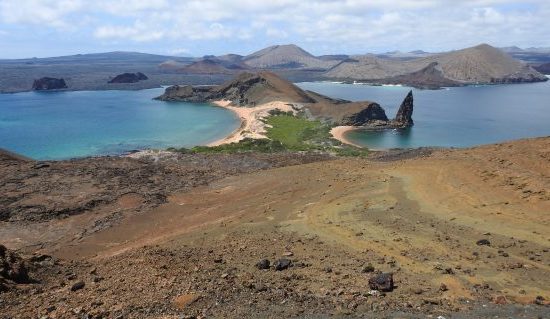
Here are some pictures of the Galapagos Islands from a trip I took with my dad for two weeks for my birthday. After living in Ecuador for over 2 years and hearing so many stories about the Galapagos my expectations were very high and im pleased to say the trip lived up to them.
The following photos are from the islands of Santa Cruz, San Cristobal, Santa Isabella, and Bartolome. As you see, the diversity in the wildlife is incredible…
[nggallery id=galapagos-pictures]
The Problem with Paradise
The Galapagos Islands is not only the most famous tourist site in Ecuador but also one of the most well known and visited vacation destinations in the world. Those that have visited the Galapagos will have no doubt in their minds the reason behind its popularity.
If you’ve never been and want to know if these islands live up to the hype, well lets just say the one word that I hear time and time again from people coming back from the Galapagos is this – Paradise.
However the problem with paradise is its easy to exploit.
One of the reasons the islands have such an amazing and diverse array of plant and animal life is that for hundreds of millions of years they have never hosted the worlds most deadly predator – the human being – until now.
Environmental Issues on the Galapagos Islands
The 18th century socioeconomist Thomas Robert Malthus stated that the increase in human population will eventually outpace the rate in which it can feed itself. That if the human population is left unchecked then famine will become a global epidemic and consume us silly humans.
It was Malthus’ essays on Population that inspired the two grandaddys behind Evolution and Natural Selection, Charles Darwin and Alfred Wallace, to come to their own theories. If Darwin knew that today the fittest animals on the Galapagos are the Goat, Cat, the Rat, and the Human that are flourishing at the expense of everything else – he would no doubt be tossing in his grave.

- Now 200,000 humans visit the islands every year which left unchecked will rise to 400,000 by 2021.
- Now 30,000 humans have immigrated to the islands (and many more illegaly) a figure that has doubled in the last ten years and sees no sign of slowing.
- Now invasive species of rats, goats, cats, mosquitos and fire ants as well as an increase in human sewage and motor boat oil threatens the existence of the islands fragile ecosystems.
- Now “artesenal” and industrial fishing, the former to feed the large immigrant communites and tourists on the island and the latter used to sell on overseask markets, have completely wiped out fish stocks threatening animals like the Sea Cucumber that sells for a fortune in Japan and Korea with extinction
- Now introduced plants outnumber indigenous ones and 180 of the 500 native plant species are on the International Union for Conservation (IUCN) of Nature Red List of threatened species.
- Now 95 species of reptiles, birds, penguins, sea lions, seals, snakes, and mammals that live on the Galapagos Islands are endangered animals.
- Now Lonesome George, the last remaining Pinta Island Tortouise, is the rarest creature on Earth and a potent symbol for conservation efforts in the Galapagos.
Galapagos Governmental Policies to Protect the Galapagos
New regulations created by Rafael Correas government to protect the Galapagos meant in July 2010 the islands were removed from the “List of World Heritage in Danger”
This happened in despite of a strong recommendation from the International Union for Conservation of Nature to urge against removing the Galapagos Islands because it was “premature.”
The Galapagos Government now has the power to ban commercial fishing on much of the islands except for designated areas.
The Government has also tightened rules for immigration for residents from the mainland which means now at the airport many Ecuadorians en route to the islands are profiled and interrogated – Why they wish to travel to the Galapagos? For how long they are going to stay? And what happens if they find work there?
Answer any of the above wrong and they are denied travel.
All this happens while hundreds of thousands of tourists with big fat wallets pass onto the plane unimpeded – and don’t hold your breath if you think they are going to restrict foreign tourists any soon.
so how can we visit the Galapagos without feeling guilty?
Volunteering on the Galapagos Islands
The great thing about volunteering in the Galapagos is it lets you visit without leaving such a big dirty footprint. The problem however is the price.
We spent a long time researching different Galapagos Islands Volunteer Programs to promote here on Ecuador Eco Volunteer but finding that perfect program that neither breaks the bank nor compromises on quality was very hard.
There were quite a few dodgy operators running volunteer programs on the Galapagos as well. One program wanted to charge a $200 fee to “consider” the application and another wanted a full body shot of prospective female volunteers. We worked with another volunteer program that had won awards from some big names but quite a few volunteers complained and when we confronted the program administrators they claimed everything was fine and that our volunteers were lying.
In the end I decided to go there myself hoping to find some idealistic people that had the infrastructure and resources in place to set up a new Galapagos Volunteer Program from scratch. I found them!
Lets Fight to Defend the Worlds Most Vulnerable
If the cause to save the Galapagos resonates with you then you should consider checking out our new Galapagos Volunteer Program. It will take time to refine a few of the rough edges and make it great but with your help we can do that.
The future for the Galapagos Islands looks brighter than five years ago but that should not goad us into complacency. We must continue the admirable work of all the volunteers and environmental activists that have come before us to ensure our children can look at the Galapagos with the same wonder as Charles Darwin 200 years ago.
If you want to see what its like to spend time with Ecuador Eco Volunteer then check out this video by one of our repeat volunteers. Finn from England who volunteered in the Animal Rescue Center last year has come back again this year with two friends and his video offers a real funny inside look about travel in Ecuador.
In the video you will have seen snaps of all the wildlife (including an Anaconda!) they saw on their Yasuni Amazon Tour as well as their time ziplining while volunteering in Mindo along with other shots from the Galapagos Islands and Ecuadors pyramid above the sky.
Machalilla National Park is home to some of the most pristine and preserved tropical dry forest in Ecuador. The National Park also has an abundance of different species of birds and if you are lucky you may even catch a glimpse of large fauna like the Tapir, Coati, and Jaguar that populate the park.
Between the months of July and September it is also possible to see large pods of humpback whales migrating past the national parks’ coastline in search of warmer waters where they mate and give birth to cubs.
Unfortuantely every year humpback whales are trapped in fishermens nets and we have criticised the Machalilla National Park for their lack of action on here before. Nonetheless this National Park is a very beautiful place.

How To Get There
To get to Machalilla National Park you need to catch a bus from Guayaquil to Puerto Lopez the nearest town. From Puerto Lopez you can make your own way to the park or take advantage of the tour agencies there.
The Poor Mans Galapagos
The Islas de la plata are commonly referred to as the “Poor Mans Galapagos” because they have a similar ecosystem to the Galapagos Islands but are much cheaper and more accessible.
The group of islands are home ot sea birds such as Fragrats, Rabihuncos, Albatros’ and Blue and Red footed Boobies that nest in the cliffs that surround the islands sea shores.
How To Get There
The only way to get to the Islas de la Plata is via an hours boat ride. Islas de la Plata tours are offered in tour agencies in Puerto Lopez and do not have the prohibitive costs of the Galapagos.
Ecuadors Most Beautiful Beach
Frailes Beach is often called the most beautiful beach in Ecuador. From the sandy shores there are clearly marked trails that lead up to the craggy cliffs and a panoramic lookout on the summit of the island. Also snorkeling around the islands is a must!

The coral reefs flourish with coloured fish of all kinds with the incredible diversity of species of a true sea forest. Other activities here include the Sombrerito Trail, and the ancestral culture of Puerto López fishermans’ village.
How To Get There
To get the Frailes Beach take a taxi from Puerto Lopez into Machalilla National Park which costs about $8 depending on your negotiating skills.


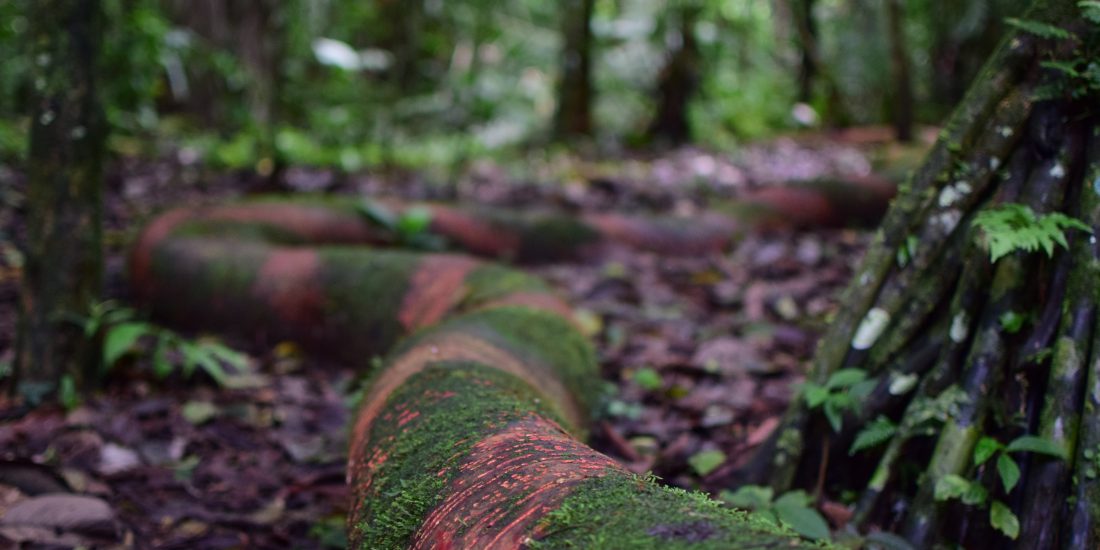
Here are some photos from the volunteer program in mindo we are running. What is amazing about Mindo is that its a town surrounded by Ecuadorian Cloud Forest. Its also an holy mecca for bird watchers and if you want to see thousands upon tousands of hummingbirds this is definitely the place to be.