Archive for the ‘Environmental Sustainability’ Category
Think cockroaches are creepy and disgusting creatures?
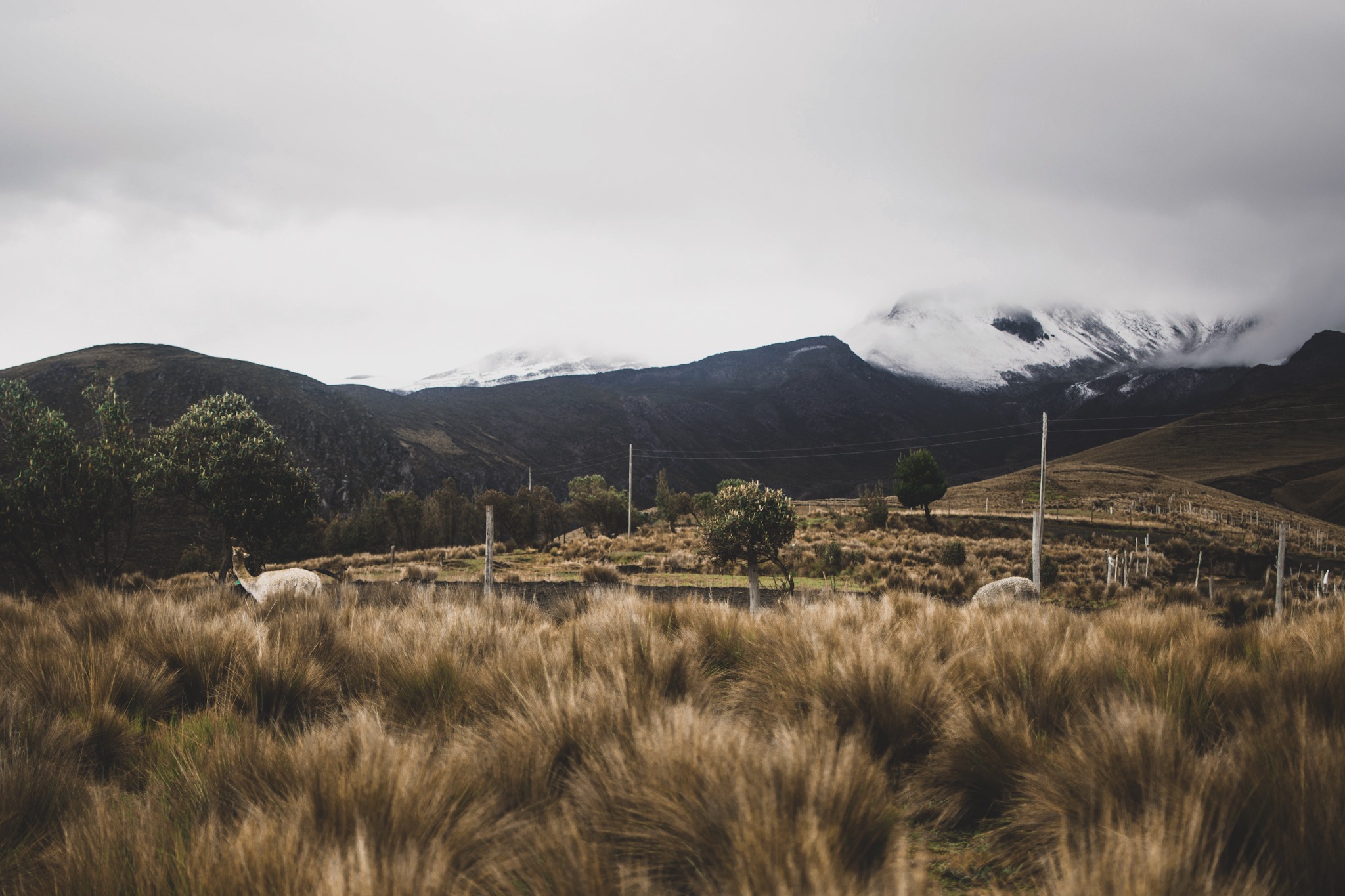
Well check out this extremely rare bioluminescent race of cockroaches that look like they come from one of the reactors of Chernobyl. Dubbed the Lucihormetica luckae, the only known specimen of the species was collected in 1939 in the Andean Forest surrounding the Tungarahua Volcano, which was unfortunately damaged during a volcanic eruption in December 2010. Another is unlikely to be found.

What other rare and amazing plants and animals are yet to be discovered in Ecuadors lush and prehistoric ecosystems?
Want to try your luck to find another one of these insanely cool looking critters? Here are some directions and photos for an independent day hike to the Tungarahua Volcano.
Plastic is both a blessing and a curse. The invention lets us create cheap and durable goods that can be shaped into anything from furniture to water hoses and every year we fill untold tonnes of the material into cargo ships that are carried across the globe.
The problem however is that plastic does not break down and decompose like other materials. If you bury that water hose in your garden you can be sure that your great great grandchildren may one day discover it in pretty good shape.
In fact plastic has become such a huge blight on our planet because it is so cheap it is easier to replace than repair which means much of the stuff ends up in landfills – or if you are in Ecuador and other places in the third world with poor waste management – in the rivers or on the sides of roads.
Now for some good news.
A fungus called Pestalotiopsis Microspora has been discovered in the Ecuadorian Amazon that eats plastic. Not only that but the fungi can also live without oxygen making it perfect for breaking down plastic at the bottom of landfills.
The only other natural way to decompose plastic has previously been to expose it to Ultra Violet Light from the sun which break down the molecules that bind petroleum based plastics in a process called photodegradation. But that decomposition process is painfully slow and no use to all that waste at the bottom of landfills.
If the team of scientists studying the fungus are able to develop it into a commercially viable product it will mean incredible advances in waste reduction and recycling!
What other amazing things are bound to be found in the Amazon before we destroy it?
Today I want to share with you a very powerful documentary that will give you a behind the scenes look at the destruction of Ecuadors Amazon and the human rights abuses inflicted on its indigenous communities by Oil Companies.
The documentary film is called Ikiam and was shot by Simone Francis, an Australian social entrepreneur that runs Nomadic Hands. I met at the Sydney Latin Film Festival for the world premier for Ikiam and since then we have collaborated on a number of projects aimed at raising awareness of the massive destruction taking place in the Amazon.
If you believe like us that these grave injustices towards the environment and people of the Amazon should stop then please consider sharing this documentary and helping us get the word out. If you have any questions after watching it then leave a message in the comments and im sure we can get Simone to answer you personally.
The world media are reporting that the government secured a $117 Million downpayment (well over the 100 million needed) before December 31st 2011 to protect Yasuni National Park from being drilled for oil.
Firstly this is fantastic news that this important issue is still in the international spotlight.
It means more scrutiny for reports on corrupt dealings like Chevron Texaco using “blood money” to bribe the Ecuadorian government with $500 Million for the Yasuni ITT protection in exchange for forgetting its $18 Billion in damages it needs to pay for creating a “Chenobyl in the Amazon” 30 years ago.
“Given Chevron’s toxic legacy and the debt it owes the people and rainforests of Ecuador, the fact that this ‘bribe’ is even on the table is an aberration of justice. “This is a multi-billion dollar bait and switch, it’s illegal, and can’t be allowed.” said the Ecuador program coordinator for Kevin Koenig for Amazon Watch.
Why then are my friends who work at the Ministry of Environment and the Provincial Council for Coca in Orellana Province which controls Yasuni National Park not convinced?
Reaching the 100 million dollars may have saved Yasuni National Park for another year but my friends say the prospecting continues as usual. Its encouraging however to see that Rafael Correa donated the proceeds of the $40million lawsuit against the newspaper El Universo even though it challenged Freedom of Expression in Ecuador.
Lets hope that what the ex-president of the Yasuni ITT initiative Roque Sevilla said about President Rafael Correa in his Yasuni interview is not true.
Frogs are like Canaries in a Coal Mine. Their extremely sensitive skin which they use to breath and absorb moisture means they are the first creatures to start croaking (ie. asphyxiating to death) due to pollutants in their habitat.
So if frogs are one of the best indicators of the overall health of an ecosystem what does it mean when mass extinctions of frogs around the planet are occurring at a rate unseen in human history?
It means the world is dying.
That is not alarmist or bleeding heart tree hugging extremist thinking – its a fact. Every eco-system on earth is in a state of decline.
Frogs in Ecuadorian Amazon and Coastal Forests
Ecuador is home to over 480 species of frogs and other amphibians with hundreds more yet to be described and discovered.
About 70% of these species are endemic to Ecuador which means you will not find them anywhere else on Earth. They live in vastly different climates and landscapes from the Coastal Forests and Galapagos Islands to the Andean Paramo and Ecuadorian Amazon Rainforest and vary greatly in appearance.
The two biodiversity hotspots in Ecuador are its coastal dry forest and amazon rainforest in particular the Yasuni Biosphere. Sadly 95% of Ecuadors Coastal Dry Forest has already been deforested to make way for farmland. Considering scientists recently discovered 30 new species of frogs in whats left of this extremely special and endangered ecosystem makes you wonder how many amazing creatures in the area have already been extinguished from the planet.
Now that the Ecuadorian Government failed to raise $100million before January 1st in its Yasuni ITT Initiative we will soon find out the fate of the frog and amphibian life in Ecuadors other biodiversity hotspot – one of the last pristine regions left on the planet – Yasuni National Park.
[nggallery id=2]